Buying a home is exciting. However, most buyers spend more time looking at paint colors and countertops than the actual condition of the house itself.
That’s exactly why understanding what home inspections include is so important.
A professional home inspection helps uncover hidden issues, safety concerns, and expensive problems before you officially purchase the property. As a result, buyers can make more informed decisions and avoid unexpected surprises after closing.
Why Home Inspections Matter
Many serious home problems are not obvious during a showing. In fact, some of the most expensive issues are hidden behind walls, above ceilings, or inside mechanical systems buyers rarely inspect themselves.
Because of this, a home inspection gives buyers a clearer understanding of the property before closing. Instead of guessing about the condition of the home, you can move forward with actual information.
Additionally, inspections often help buyers prepare for future maintenance costs and prioritize repairs after moving in.
What Home Inspections Include
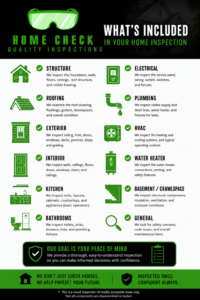
A standard home inspection is a visual evaluation of the home’s major systems and components. Generally, the goal is to identify defects, safety concerns, and signs of material issues that could impact the property.
Although every home is different, most inspections include the same core systems and structural components.
Roofing System Inspection
The roof is one of the most expensive parts of a home to repair or replace. Therefore, inspectors pay close attention to roofing materials and visible signs of damage.
A roof inspection may include:
- Shingles and roof coverings
- Flashing and roof penetrations
- Gutters and drainage systems
- Signs of leaks or moisture intrusion
- Visible deterioration or storm damage
Over time, roofing problems can lead to costly water damage and structural concerns if left unaddressed. Furthermore, roof leaks can sometimes contribute to mold growth and insulation damage inside the attic.
Modern roofing ventilation recommendations can also impact moisture control and attic performance. The Environmental Protection Agency provides guidance on indoor moisture and ventilation concerns.
Electrical System Inspection
Electrical defects are among the most common issues uncovered during inspections. Additionally, some electrical hazards may create serious safety concerns for homeowners.
Inspectors typically examine:
- Main electrical panels
- Visible wiring
- Outlets and switches
- Grounding and bonding
- GFCI and AFCI protection
Modern electrical safety recommendations are based on standards from the National Fire Protection Association.
In some cases, inspectors may also identify outdated wiring methods or improper modifications that require further evaluation by a licensed electrician.

Plumbing System Inspection
Plumbing issues can quietly cause major damage over time. As a result, inspectors look for signs of leaks, improper repairs, and active moisture concerns throughout the home.
A plumbing inspection may include:
- Visible water supply lines
- Drain and waste piping
- Water heaters
- Plumbing fixtures and faucets
- Signs of leaks or water damage
Some moisture-related home concerns are also addressed by the Minnesota Department of Health.
Moreover, even minor plumbing leaks can eventually lead to wood rot, damaged finishes, and mold concerns if they are ignored for too long.
Heating and Cooling System Inspection
Heating and cooling equipment plays a major role in both comfort and energy efficiency. Because replacement costs can be significant, HVAC systems are an important part of the inspection process.
Inspectors often evaluate:
- Furnaces and boilers
- Air conditioning systems
- Airflow and air filters
- Visible ductwork
- General system operation
If HVAC equipment is older or poorly maintained, future repairs or replacement may be necessary. In addition, neglected systems may operate less efficiently and increase monthly energy costs.
Structure and Foundation Inspection
Structural concerns can affect the stability and safety of a home. However, not every crack automatically indicates a serious problem.
Inspectors look for:
- Foundation cracks
- Uneven floors
- Signs of settling or movement
- Wall and ceiling cracks
- Visible structural concerns
The goal is to identify signs that may indicate larger structural issues requiring further evaluation. For example, certain crack patterns or shifting conditions can sometimes suggest ongoing movement.
Insulation and Ventilation Inspection
Proper insulation and ventilation help control moisture, improve energy efficiency, and support healthier indoor air quality.
Inspectors may evaluate:
- Attic insulation
- Roof ventilation
- Bathroom exhaust systems
- Signs of condensation or moisture buildup
Poor ventilation can contribute to mold growth and indoor air quality concerns. In fact, excess moisture in attics and crawlspaces can sometimes create long-term damage if ventilation issues are ignored.
The Environmental Protection Agency provides guidance on moisture control and indoor air quality.
What Home Inspections Do Not Include
Many buyers assume a home inspection covers absolutely everything. Unfortunately, that is not the case.
Most standard home inspections do not include:
- Inside walls or concealed areas
- Radon testing
- Mold testing
- Sewer scope inspections
- Code compliance inspections
- Cosmetic issues
Depending on the property, additional specialized inspections may still be recommended. For instance, older homes may benefit from sewer scope inspections or additional environmental testing.
Making Better Buying Decisions
Understanding what home inspections include helps buyers make more informed decisions before closing on a property.
A home inspection can help you:
- Identify safety concerns
- Avoid unexpected repair costs
- Plan future maintenance
- Negotiate repairs or credits
- Feel more confident during the buying process
Ultimately, the goal is not to find a perfect home. Instead, it’s to fully understand the condition of the home you’re buying so you can move forward with confidence.
Rochester, MN Home Inspections
Home Check provides professional home inspections in Rochester, MN and surrounding communities. We deliver clear reports, honest findings, and the information buyers need to make confident decisions before purchasing a home.